



-
 Princeton Local Guides
-
 0 Comments
Exploring Princeton: A Journey Through History, Culture, and Innovation
Understanding your landscape and tree health needs
Princeton sits within the Lakelands region of South Carolina, an area known for its rolling terrain, established hardwood forests, and mix of rural and developing landscapes. The community features a blend of properties that range from long-standing family homes surrounded by mature trees to newer developments where land clearing and thoughtful site preparation have shaped the landscape. This diversity creates a distinctive character that blends agricultural heritage with modern residential growth, all set against a backdrop of native Southern woodlands.
The natural environment here is characterized by native species like oak, pine, hickory, and maple trees that thrive in the region’s clay-based soils and humid subtropical climate. These trees provide valuable shade, enhance curb appeal, and contribute to the area’s distinctive character. Property values throughout the community reflect the appeal of wooded lots and mature landscaping, with homebuyers often seeking out properties that feature established tree canopies and natural privacy screening. However, these same trees also require ongoing attention to remain healthy and safe, particularly as they age or face stress from weather events, pest pressure, or changing property use.
Many older neighborhoods feature homes built in the mid-twentieth century when trees were planted close to structures without consideration for their eventual mature size. These properties now showcase towering shade trees that define the streetscape but also present maintenance challenges as roots interact with foundations, driveways, and underground utilities. Newer subdivisions often preserve specimen trees during development, integrating them into landscaping plans that balance natural appeal with practical yard layouts.
Farm parcels and larger rural tracts common around Princeton present different considerations, from maintaining fence lines clear of encroaching vegetation to managing woodlots for timber value or wildlife habitat. Commercial properties along main corridors need tree care that maintains visibility and access while keeping the landscape attractive and professional in appearance. For property owners in Princeton, understanding how local conditions affect tree health is the first step toward making informed decisions about care, maintenance, and when professional intervention becomes necessary.
Trees growing near structures, over driveways, or along property lines need regular assessment to prevent hazards like falling limbs or root damage to foundations and utilities. The combination of soil characteristics, seasonal weather patterns, and typical property layouts throughout the area creates specific care requirements that benefit from experienced professional tree service in Princeton. Recognizing these dynamics helps property owners protect their investments while preserving the natural beauty that makes the community so appealing.
Weather patterns and their impact on properties
The Lakelands region experiences distinct seasonal patterns that directly influence tree care needs throughout the year. Spring brings vigorous new growth and the ideal window for structural pruning, while summer heat and occasional drought can stress trees and reveal weak branches that pose safety risks. Fall offers another opportunity for maintenance before winter dormancy, and winter storms can damage trees weakened by disease, age, or improper pruning.
Princeton property owners often face specific seasonal challenges. Late winter ice storms can snap limbs on trees that haven’t been properly maintained, creating sudden hazards that block driveways, damage roofs, and bring down power lines. Summer thunderstorms with high winds test the structural integrity of mature trees, particularly those with co-dominant stems or included bark that create weak attachment points. And the wet springs common to the area can soften soil, making large trees more susceptible to uprooting during severe weather, especially when root systems have been compromised by construction, soil compaction, or fungal decay.
Humidity levels throughout the growing season create favorable conditions for fungal diseases like oak wilt, anthracnose, and various canker diseases that weaken trees over time. Regular inspections help catch these problems early when treatment options are most effective. Drought stress during prolonged dry spells, though less common than in other regions, can weaken trees and make them more vulnerable to pest infestations, particularly from bark beetles and borers that target stressed specimens.
Timing tree care to match these seasonal rhythms improves outcomes and protects your investment. Pruning during dormancy minimizes stress and disease transmission, as wounds close more effectively and pathogens are less active. Removing hazardous trees before storm season reduces risk to structures and vehicles, giving you control over when and how a tree comes down rather than waiting for nature to make that decision during a thunderstorm. Conducting regular inspections after major weather events catches problems early, before they escalate into emergencies that require expensive urgent response.
Property owners who schedule proactive maintenance in late winter or early fall benefit from better contractor availability, more flexible scheduling, and the ability to plan work around their own calendars rather than reacting to sudden failures. Understanding how the calendar affects tree care needs helps you budget appropriately and maintain your property’s safety and appearance year-round.
Recognizing warning signs of trouble
Not every tree problem requires removal, but recognizing when a tree has become a genuine hazard is critical for property safety. Common warning signs include visible decay at the base, large dead branches in the canopy, cracks or splits in the trunk, significant lean (especially if recent), and mushroom growth near the roots, which indicates internal rot. Any combination of these symptoms warrants professional assessment to determine whether the tree can be safely preserved with corrective pruning or whether removal is the only responsible option.
In Princeton, many older properties feature large shade trees planted decades ago, often closer to structures than modern safety standards would recommend. As these trees age, their root systems can compromise foundations, driveways, and underground utilities, creating slow-developing problems that suddenly become expensive repairs. Branches overhanging roofs create ongoing maintenance issues from dropped leaves and twigs, promote moisture retention that damages shingles, and provide access routes for pests like squirrels and raccoons that can invade attics and cause significant damage.
Trees located near septic systems present particular challenges, as aggressive root growth can infiltrate drain fields and distribution lines, leading to system failures that require extensive excavation and repair. Power lines running through tree canopies create both safety hazards and reliability issues, with utility companies often performing harsh clearance cuts that leave trees disfigured and structurally compromised.
Dead or dying trees don’t just pose falling risks; they attract wood-boring insects and diseases that can spread to healthy trees nearby, creating cascading problems throughout a landscape. When a tree shows multiple signs of decline, or when its location creates unacceptable risk regardless of health, professional removal becomes the responsible choice. Factors that increase urgency include proximity to structures or high-use areas, target zones where falling material could cause injury or significant property damage, and evidence of active decay or structural weakness.
A thorough risk assessment considers the tree’s condition, its location relative to targets, the consequences of failure, and whether less drastic interventions like cabling, bracing, or selective pruning can adequately reduce risk. In some cases, removing only the most hazardous portions while preserving the main trunk as wildlife habitat represents a balanced approach. Safe tree removal requires specialized equipment, proper techniques, and liability coverage that protect both workers and property. Attempting to remove large trees without professional help often leads to property damage, personal injury, or incomplete removal that creates ongoing problems like stump sprouts and pest habitat.
Preparing land for its next chapter
As Princeton continues to evolve, property owners often need land clearing and site preparation services for new construction, additions, outbuildings, or simply to reclaim overgrown areas. Proper site preparation goes beyond just cutting down trees; it involves strategic planning to preserve desirable vegetation, remove stumps and root systems, grade the land appropriately, and leave the site ready for its intended use. Common projects include clearing wooded lots for new home construction, creating space for detached garages or workshops, establishing pasture areas on rural properties, and reclaiming neglected land that has become overgrown with volunteer trees and invasive vegetation.
Effective land clearing considers drainage patterns, property lines, setback requirements, and future landscaping plans. Grinding stumps below grade prevents interference with construction and future lawn maintenance, eliminating tripping hazards and obstacles to mowing or building. The depth of grinding depends on intended use; areas that will remain landscaped may only need stumps ground six inches below grade, while construction sites often require removal to twelve or eighteen inches to ensure stable foundations and prevent future settling.
Removing brush and debris creates clean, usable space while eliminating habitat for ticks, snakes, and other unwanted wildlife. Proper disposal or chipping of woody material prevents fire hazards and keeps the site professional in appearance. For residential projects, thoughtful site work maintains the property’s natural appeal while creating functional outdoor spaces for gardens, play areas, or recreational use. Selective clearing preserves specimen trees that add immediate maturity and value to new landscapes, avoiding the bare, sterile appearance of properties where every tree was removed.
For commercial or agricultural applications, proper clearing and grading ensure stable foundations, effective water management, and long-term usability. Agricultural clearing for pasture or crop production requires attention to soil conservation, establishing appropriate grades to prevent erosion, and managing drainage to avoid creating wet spots that limit usability. Commercial site preparation must meet local codes for stormwater management, parking lot grades, and accessibility requirements.
Timeline expectations vary based on project scope, equipment access, and weather conditions. A typical residential lot clearing for new construction might take two to five days, while larger agricultural or commercial projects can extend over several weeks. Wet weather can delay work, as heavy equipment operating on saturated soil creates ruts, compaction, and drainage problems that require additional remediation.
Professional excavation equipment and experienced operators make the difference between a site that’s truly ready for the next phase and one that presents ongoing complications. Proper equipment selection matters; tracked excavators provide better flotation on soft ground, while wheeled loaders offer greater mobility on firm terrain. Working with a local provider who understands Princeton’s soil conditions, typical property layouts, and permitting requirements streamlines the process and produces better results, avoiding costly mistakes and ensuring the finished site meets your exact specifications.
Professional tree care that protects your investment
Choosing the right tree service provider for your Princeton property means finding a team that combines technical skill, proper equipment, safety protocols, and genuine understanding of local conditions. A qualified provider should carry appropriate insurance, including both liability coverage and workers’ compensation, protecting you from financial exposure if accidents occur. They should use industry-standard practices developed by organizations like the International Society of Arboriculture, follow proper pruning techniques that promote tree health rather than creating future problems, and communicate clearly about what work is needed, why, and what outcomes you can expect.
When evaluating providers, ask about their experience with projects similar to yours, request references from recent clients, and verify that equipment is properly maintained and operated by trained personnel. Red flags include pressure to make immediate decisions, unusually low bids that suggest corners will be cut, reluctance to provide proof of insurance, and inability to explain the reasoning behind recommended work. A professional assessment should identify specific problems, explain options for addressing them, and provide clear pricing for proposed services.
Credentials worth noting include ISA Certified Arborist designations, which demonstrate knowledge of tree biology and proper care practices, and state-required business licenses and contractor registrations. While not every tree service task requires an arborist, complex decisions about preservation, disease diagnosis, or risk assessment benefit from that expertise. Compare quotes not just on price but on scope of work, what’s included in cleanup, timeframe for completion, and how thoroughly the provider has assessed your specific situation.
At Frasier Site & Tree Solutions, we’ve built our reputation serving the Anderson area, Greenwood area, and surrounding communities including Princeton by focusing on quality work and customer satisfaction. We understand how the Lakelands region’s weather patterns, soil types, and common tree species create specific care requirements. Our team brings the experience and equipment needed to handle everything from routine trimming and pruning that maintains tree health and appearance to complex removals requiring specialized rigging and climbing techniques, thorough stump grinding that eliminates obstacles and trip hazards, and full site preparation projects that transform raw land into ready-to-build parcels.
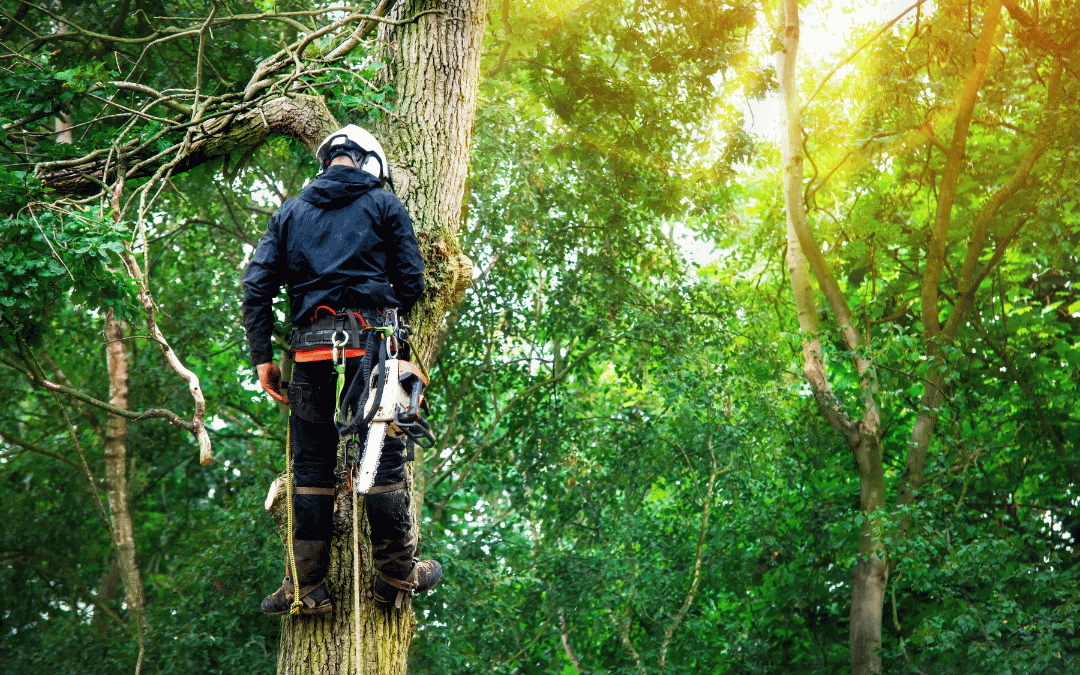
Our tree removal service addresses hazardous trees, storm-damaged specimens, and trees that simply don’t fit your property’s current or future plans. We use proper felling techniques, rigging systems for controlled dismantling in tight spaces, and cleanup practices that leave your property ready for its next phase. Stump grinding eliminates unsightly remnants and prevents regrowth, with depth and thoroughness tailored to your intended use. Our trimming and pruning services improve tree structure, remove hazards, enhance views and clearance, and promote long-term health through proper technique and timing.
For larger projects, our excavation and site preparation capabilities handle everything from clearing wooded lots for construction to creating access roads, establishing drainage systems, and preparing ground for landscaping or agricultural use. We bring the equipment and experience to work efficiently while protecting the portions of your property you want to preserve.
When you work with a local provider, you benefit from faster response times, familiarity with area regulations and conditions, and a vested interest in maintaining a strong reputation within the community. We’re available seven days a week from 7 AM to 9 PM because tree emergencies don’t follow business hours, and we take pride in leaving every property cleaner and safer than we found it. Whether you need a hazardous tree removed, regular maintenance to keep your landscape healthy, or excavation and site prep for a new project, our team is ready to help you protect and enhance your property.
If you’re a Princeton-area property owner facing tree care decisions, we invite you to contact Frasier Site & Tree Solutions for a consultation. We’ll assess your specific situation, answer your questions, and provide clear recommendations based on what’s best for your property and your goals. Call us at (864) 828-3268 or email calebfrasier35@gmail.com to get started with reliable, professional service you can count on.
